Oslo Day Tours
I’m Serious Day Tour Man AI, your day trip expert. Ask me anything — where to go, how to get there, and what’s actually worth your day.
Oslo’s best day trips leave from a quay in the middle of town, and most of them cost a transit ticket: monastery ruins and swimming coves ten minutes offshore, a fortress island where a hundred-year-old torpedo battery changed the course of a war in twenty minutes, and a fjord town that declares itself Norway’s Christmas capital with a straight face.
One honest boundary gets drawn early, and it concerns the famous one: the western fjords — Flåm, the Nærøyfjord, the postcards — are not an Oslo day trip, and the arithmetic below explains what the “in a nutshell” marketing doesn’t. The city block covers the museum peninsula, the opera roof, and the price survival kit.
Here’s what’s worth a day, with real times and honest trade-offs.

Popular Day Trips
Fredrikstad
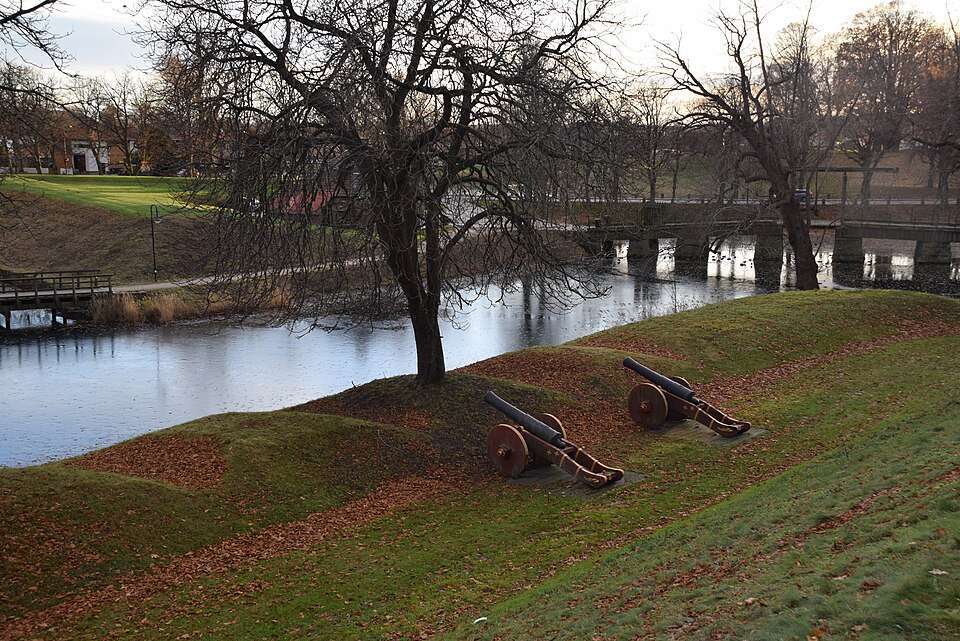
A 1567 Star Fort You Walk for Free, and the Ferry That Costs Nothing
Drøbak
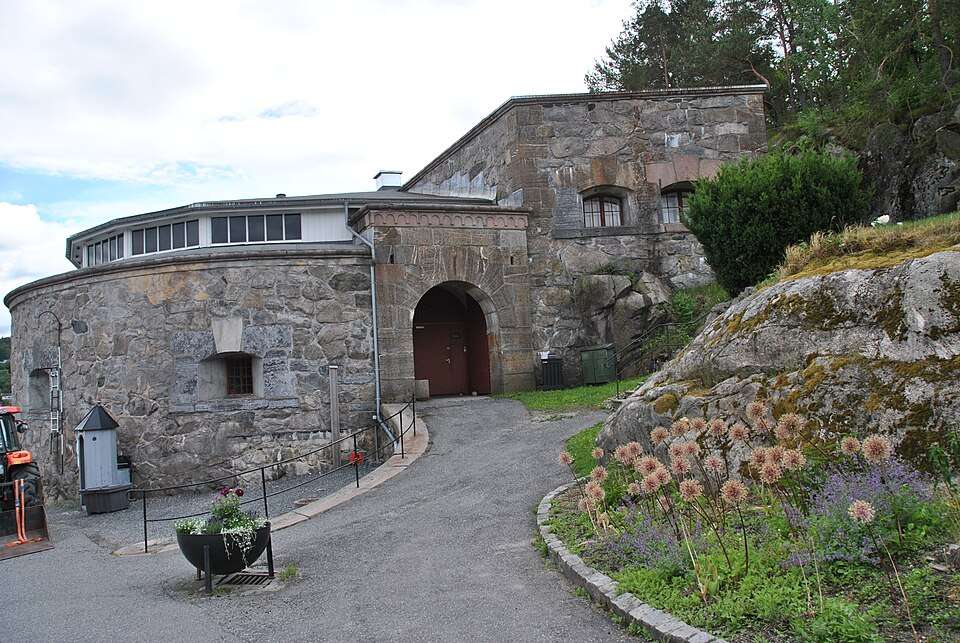
The Fjord Boat, Oscarsborg’s Guns
The Fjord Islands — Ten Minutes and a Transit Ticket
The inner Oslofjord islands are the city’s summer secret hiding in plain sight: the B1 ferries leave Aker Brygge on the regular Ruter transit ticket — the same one that runs the metro — and land you on car-free islands inside fifteen minutes.
Hovedøya is the first-timer’s island: the ruins of a twelfth-century Cistercian monastery in a meadow, old cannon batteries in the woods, marked trails, and swimming coves on the south shore, all ten minutes from the Nobel Peace Center’s doorstep. Gressholmen adds rabbit-cropped heath and quieter beaches; Lindøya and Nakholmen run painted summer-cabin communities that look assembled from a model kit; Langøyene (the B2 line, summer) carries the sand beach and the room to sprawl.
The mechanics, current: summer expands the schedule from mid-May through August, and in high summer the B1X shuttle runs to Hovedøya every twenty minutes while the main B1 skips it during the day — the Ruter app plans it. On hot days the last boats back run full, and Ruter’s stated policy is that they keep sailing until everyone gets home. Pack the picnic and the swimsuit; the islands have little commerce, which is their point. This is the best cheap day in Scandinavia.
Drøbak & Oscarsborg — The Fortress That Fired
An hour south — by bus year-round, or by the summer B22 boat from Aker Brygge, which is the version to want (Drøbak sits in zone 4; the app handles the ticket) — Drøbak is the fjord’s wooden-house town: white clapboard lanes, a gallery-and-ice-cream harbor, and the year-round Christmas house that anchors the town’s cheerful claim to be Norway’s Jul capital, letters-to-Santa post office included.
Oscarsborg, the fortress island offshore, carries the weight: on the morning of April 9, 1940, its elderly guns and torpedo battery sank the German heavy cruiser Blücher in the narrows below — a delay of hours that let Norway’s king, government, and gold escape Oslo ahead of the invasion. The island museum tells it properly, the gun emplacements and torpedo battery visit well, and the crossing is its own pleasure. The mechanics matter: the short Oscarsborg ferry from Drøbak runs on its own tickets, bought online in advance — no on-board sales, and Ruter tickets don’t transfer.
The frame: boat down, fortress and lunch, wooden lanes, boat home — the gentlest full day on the fjord, with the Blücher story supplying more history per hour than anything else this close to the city.
Read the full Drøbak day-trip page.
Fredrikstad — The Fortified Town
An hour south by train, Fredrikstad’s Gamlebyen is Northern Europe’s best-preserved fortified town: a complete seventeenth-century star fort — moats, ramparts, drawbridges, cobbled grid — still lived in rather than embalmed, with bookshops, glassblowers, and cafés holding the corners. The free city ferry shuttles across the river from the modern town’s station side every few minutes, and arriving by water over the moat-ringed walls is the correct first impression.
The circuit: walk the full rampart ring (an unhurried hour, grass-topped, moat views throughout), the model of the fortress in the old convict prison museum for the overview, the Saturday market when it runs, and Kongsten Fort — the outlying redoubt a fifteen-minute walk east — for the quieter climb. The town’s whole register is low-key: this is a wandering-and-coffee day, not a checklist.
The stack: the Hvaler archipelago’s smooth-rock islands continue south for drivers making a coast day of it, and Halden’s Fredriksten fortress — the border stronghold where a Swedish king was shot — extends the military-history version by another half hour of train. Honest frame: Fredrikstad alone is a half day plus lunch; the add-ons build it to full.
Read the full Fredrikstad day-trip page.
Lillehammer — The Olympic North
Two hours north by train along Lake Mjøsa, Lillehammer banks two identities. The Olympic one: the 1994 Winter Games’ ski jumps at Lysgårdsbakkene — climb or chairlift to the top of the big hill for the take-off-point view every jumper gets and no television conveys — plus the bobsled track at Hunderfossen, where the wheeled summer bob and winter taxi-bob runs let civilians feel the corners, booked ahead and not for the neck-cautious. The Norwegian Olympic Museum covers the rest.
The deeper identity is Maihaugen: one of Europe’s great open-air museums — 200 buildings gathered from across Gudbrandsdalen, from a stave church to farm courtyards to a twentieth-century street of decade-by-decade homes — with summer’s costumed interpreters and animals making it the country’s best family history day. The pedestrianized Storgata’s wooden storefronts handle lunch.
The math: four hours of round-trip rail makes this the longest standard day here, softened by Mjøsa views the whole way. Winter converts the town into a genuine ski base (Hafjell twenty minutes off), and the December version of Maihaugen, lit and snowbound, is the postcard. Worth it as a full committed day; wrong as an afterthought.
The Fjord Question — Answered With Arithmetic
The famous western fjords — Flåm’s railway, the Nærøyfjord’s UNESCO narrows, the Stegastein overlook — sit on the far side of the mountains, and the “Norway in a Nutshell” itinerary that visits them from Oslo in a day is real, bookable, and worth describing plainly: roughly fourteen hours, of which the fjord cruise is about two, with the rest spent on (admittedly beautiful) trains and buses. It departs before 7 and returns after 10. People do it; most wish they’d stayed over.
The verdict: take the same itinerary as a one-way to Bergen with a night in Flåm or Aurland, and the trip transforms — the fjord at evening and morning, the crowds gone with the day boats. Travelers locked to an Oslo base wanting mountains should take the Bergen Line as far as Finse or Myrdal for a high-plateau hike and return, which delivers the scenery without pretending to deliver a fjord.
What Oslo’s own fjord offers instead is gentler, nearer water — the islands, Drøbak’s narrows, the Nesodden peninsula commuter boat ride locals use as a free cruise. Different product, honestly labeled. The western fjords need two of your days, not the middle fourteen hours of one.
The Peninsula, the Opera Roof & Oslo Itself
Bygdøy first: the museum peninsula, reached by the seasonal ferry from City Hall or the year-round bus, stacks the Fram (Amundsen’s and Nansen’s actual polar ship, boardable, with the deck-level cold room), the Kon-Tiki (Heyerdahl’s raft, improbably small), the Norwegian Maritime Museum, and the open-air Norsk Folkemuseum with its Gol stave church. Two museums per visit is the honest pace; the polar pairing wins most votes.
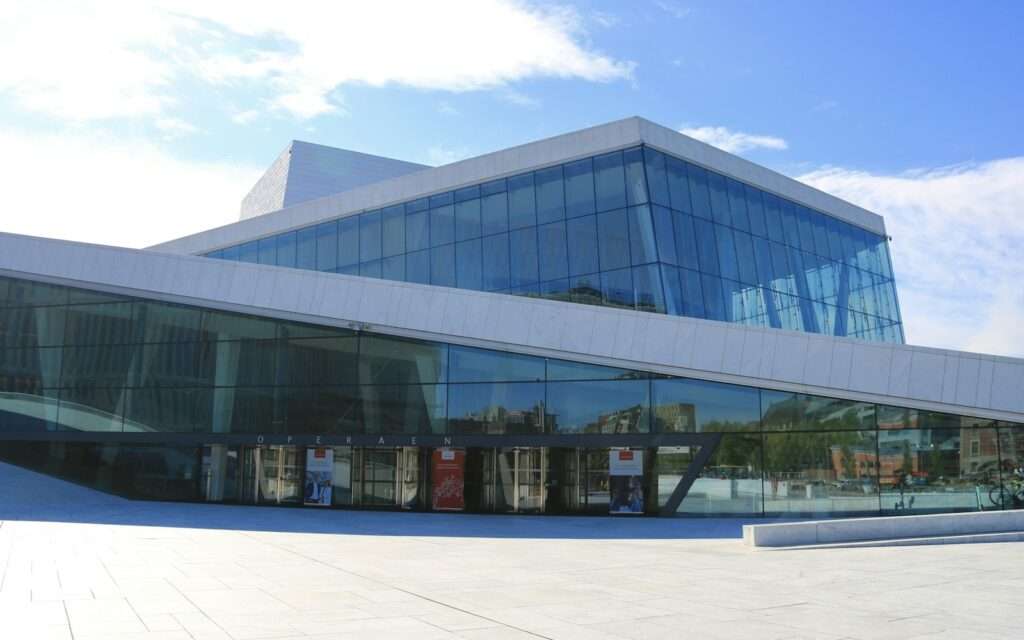
The city’s own circuit: walking the Opera House roof — the marble slopes into the fjord, and ascending them is the intended use — then the Munch museum’s thirteen floors (The Scream in rotation), the National Museum’s own Scream room for the comparison, and Vigeland Park: 200-plus sculptures, the Monolith, the beloved Angry Boy, free and open always, and the single most Oslo thing in Oslo. Akershus Fortress covers the medieval hour; the new waterfront saunas — bookable floating boxes with fjord plunges — cover the local ritual in any season.
The price survival kit, stated without drama: Norway is expensive, and the tools are the tap water (excellent, always free), the bakery-and-Kiwi/Rema grocery lunch, the matpakke picnic culture the locals themselves run on, and one deliberate splurge — the seafood at Fisketorget or a proper tasting menu — rather than three resigned mid-range dinners. Season math: May through September is the whole outdoor apparatus above; the islands peak June–August; winter flips the city to floodlit cross-country trails ending at Holmenkollen’s jump and museum, twenty minutes up the metro line, which is its own honest answer to “what’s a winter day trip.” Koselig — the candlelit Norwegian cousin of hygge — is the operating system; adopt it early.
Frequently Asked Questions
How do you get to the Oslo fjord islands?
On the regular Ruter transit ticket — the B1 boats leave Aker Brygge, with Hovedøya ten minutes out. In high summer take the B1X shuttle (every 20 minutes) for Hovedøya; the app plans zones and times. Pack food; the islands barely sell any.
Is “Norway in a Nutshell” doable as a day trip from Oslo?
It runs — about fourteen hours, two of them on the fjord, the rest on trains and buses. The right version is one-way to Bergen with a night in Flåm or Aurland; the fjords are an overnight and punish the sprint.
What happened at Oscarsborg?
On April 9, 1940, the fortress’s guns and torpedoes sank the cruiser Blücher in the Drøbak narrows, delaying the invasion long enough for Norway’s king, government, and gold to escape. The island museum and batteries tell it well — book the dedicated ferry online; no on-board sales.
Is Fredrikstad worth the train ride?
Yes — an hour to Northern Europe’s best-preserved fortified town, crossed to by free city ferry. Walk the complete rampart ring, add Kongsten Fort, and take it as the low-key wandering day it is.
What’s the best free thing in Oslo?
Vigeland Park — 200-plus sculptures, always open, always free — with the Opera House roof walk as its rival. Add the Nesodden commuter boat for a transit-ticket fjord cruise the tour boats charge tenfold for.